What Is a Car Condo? Essential Guide for Denver Buyers
Colorado is currently the fourth-largest market for car condos in the United States, with 43 active developments and nearly 2,000 units. If you're tired of outgrowing your home garage or dealing with unpredictable rent hikes in traditional self-storage, you aren't alone. You need a secure, climate-controlled environment for high-value assets. Understanding What Is a Car Condo? Everything You Need to Know Before Buying starts with recognizing these as deeded industrial assets rather than simple storage units.
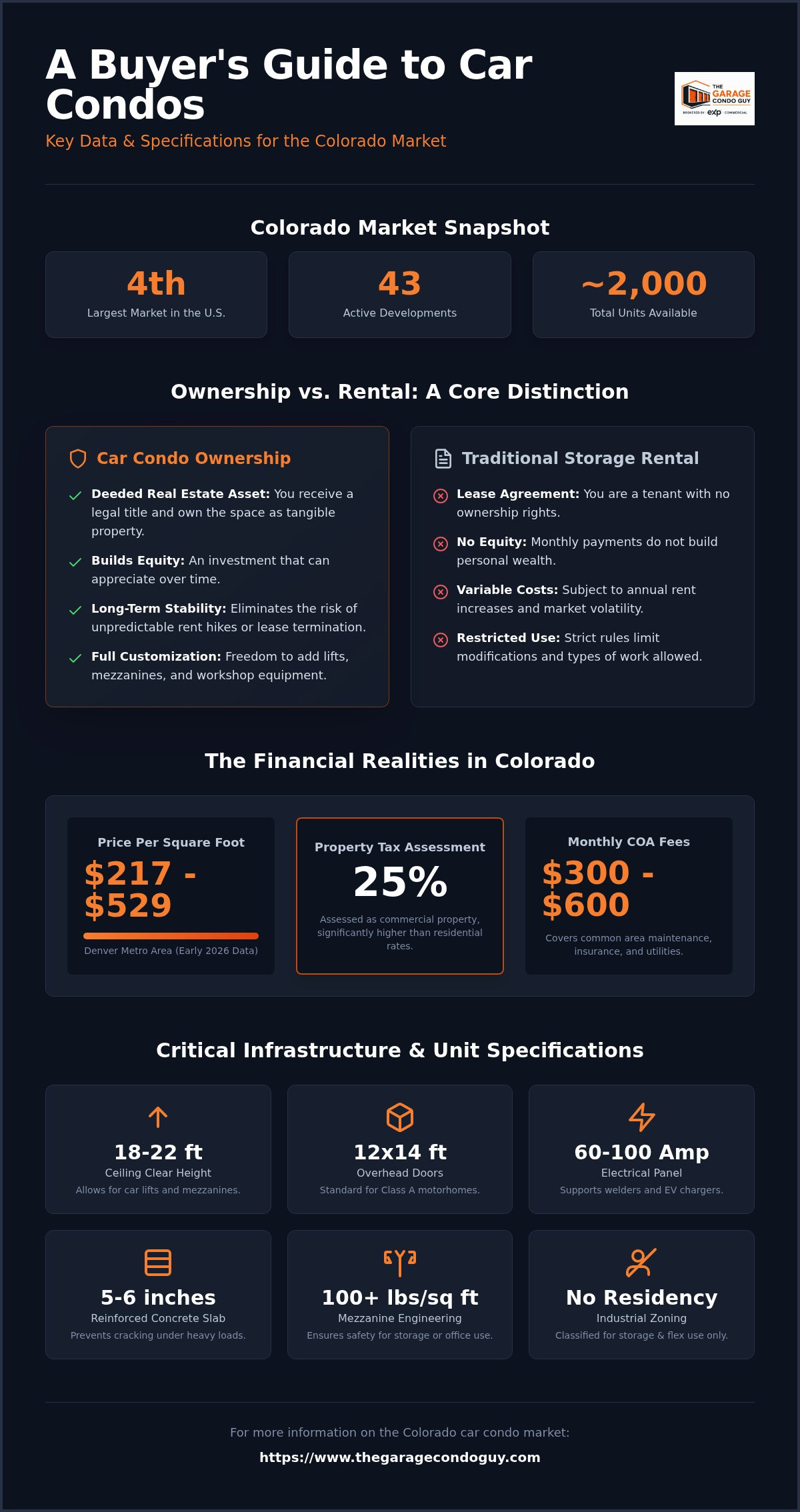
This guide provides a factual, data-driven breakdown of car condo ownership to help you determine if this asset class fits your needs. We'll cover current Denver market pricing, which currently ranges from $217 to $529 per square foot. You'll also learn about the 25% commercial property tax assessment rate and the 12 specific variables that impact total cost. From infrastructure specifications to zoning nuances, this is the essential technical overview for the Front Range buyer.
Table of Contents
Defining the Car Condo: Ownership vs. Traditional Storage
A car condo is a fee-simple, deeded real estate asset. It's specifically designed for storage and flex use. Unlike traditional self-storage, you aren't just a tenant. You own the interior air space and a fractional interest in the common elements. This ownership structure is governed by a Condo Owners Association (COA). It functions similarly to a commercial office park. Understanding What Is a Car Condo? Everything You Need to Know Before Buying requires looking at the title. You receive a deed, just like buying a house or warehouse. This makes it a tangible part of your property portfolio.
Primary use cases include vehicle collections, RV storage, and personal workshops. Many owners in Denver also use them for small business flex space. You get the stability of a fixed asset. Understanding What Is a Car Condo? Everything You Need to Know Before Buying helps you see why these are preferred over traditional rental units. You avoid the risk of annual rent hikes common in traditional storage facilities. It's a long term solution for high value assets.
Key Differences from Residential Condos
Don't confuse these with residential units. Most developments are zoned for industrial or light-industrial use. This legal classification is critical. It means you cannot live in the unit. Strict "no-residency" rules apply across the Front Range. You won't find kitchens, full bathrooms, or bedrooms here. It's a workspace and storage solution, not a home. Zoning laws in Commerce City and other local municipalities are very specific about this distinction.
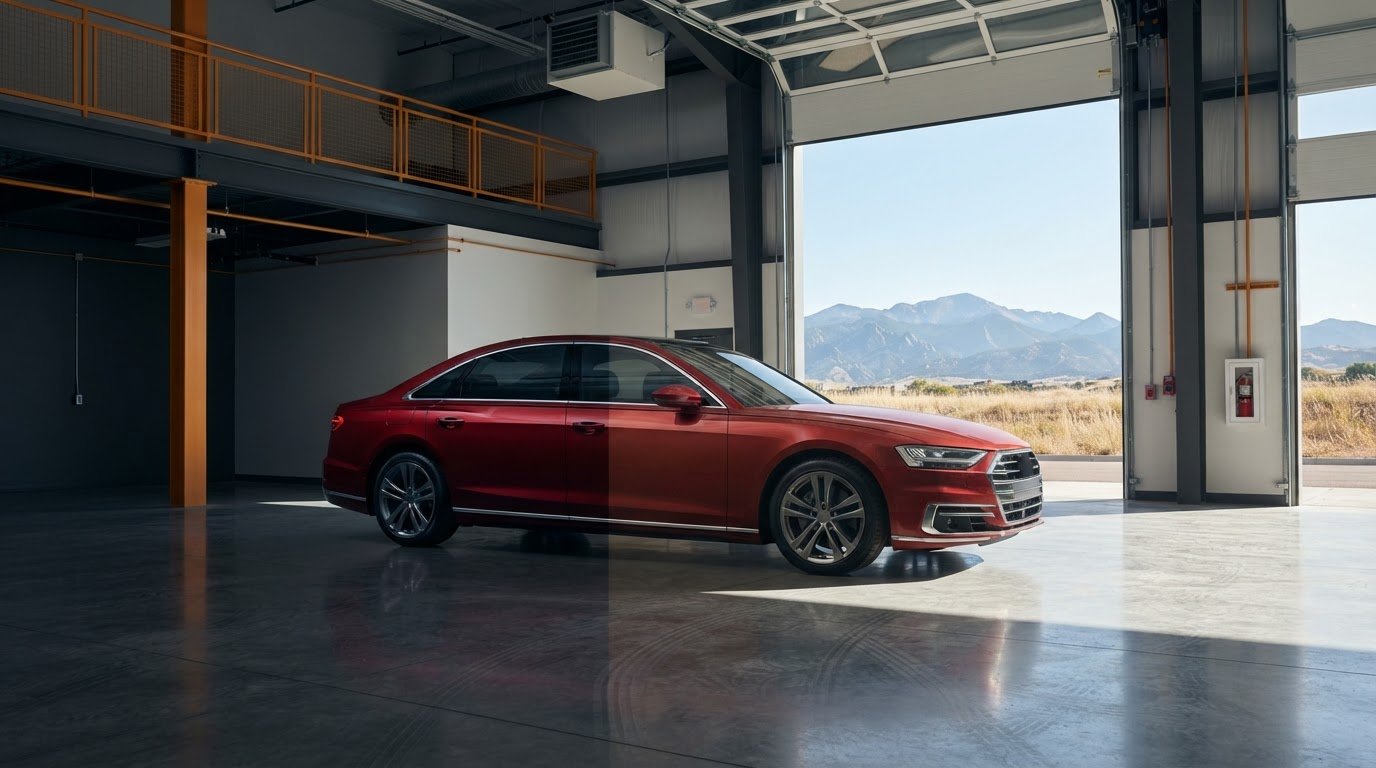
Building standards are significantly higher than residential garages. Units feature heavy-duty concrete slabs designed to support massive vehicle weights. They include specialized fire suppression systems. These systems are rated to handle risks associated with vehicle fluids and industrial equipment. It's a professional-grade environment built for specialized utility. You are buying a facility that meets rigorous commercial building codes. This infrastructure is what separates a car condo from a standard backyard garage.
Critical Infrastructure: Evaluating Unit Specifications
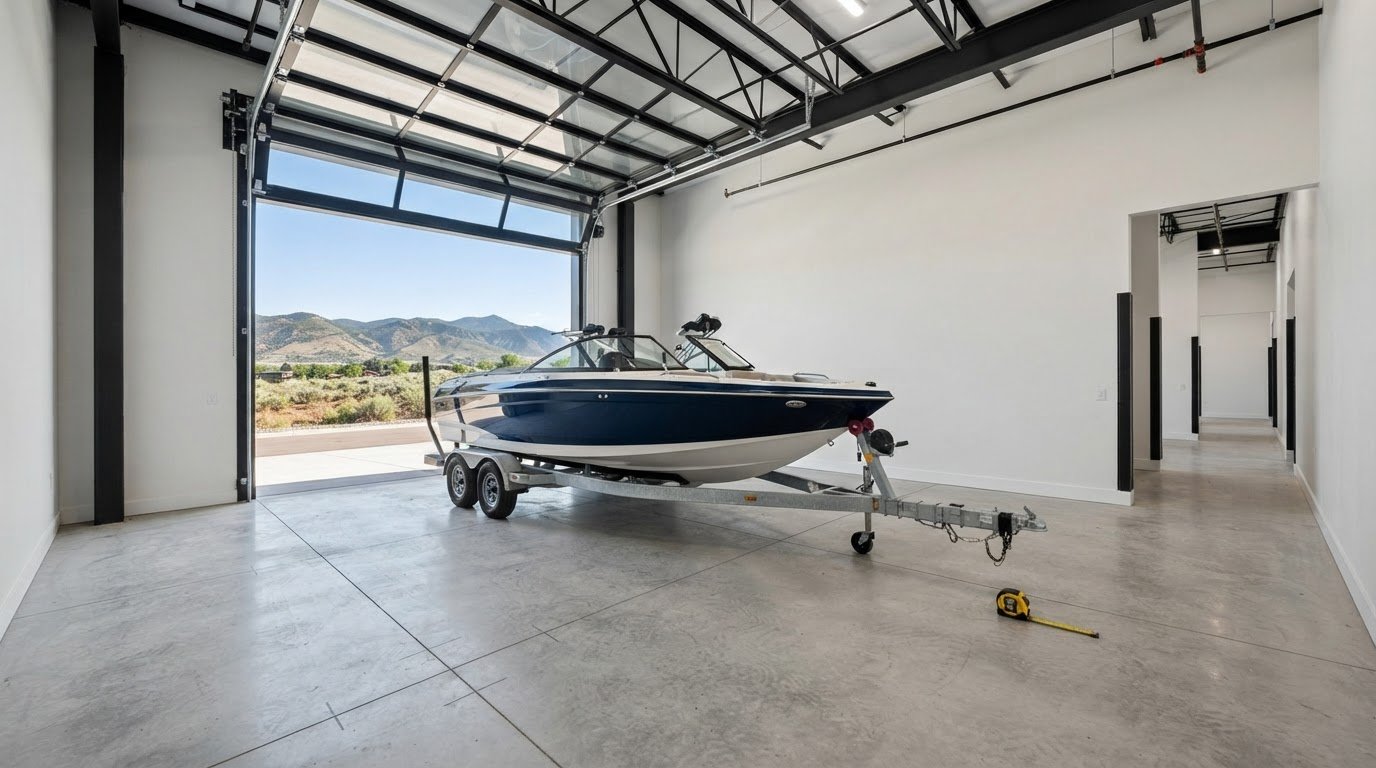
Vertical volume is the primary advantage of this asset class. When researching What Is a Car Condo? Everything You Need to Know Before Buying, you must prioritize clear heights. Most premium developments offer 18–22 foot clears. This allows for four-post car lifts or custom mezzanines that effectively double your usable square footage. Door clearance is equally vital for large assets. Standard 12x14 foot overhead doors are the baseline requirement for Class A motorhomes and larger trailers. Smaller doors limit your future resale pool.
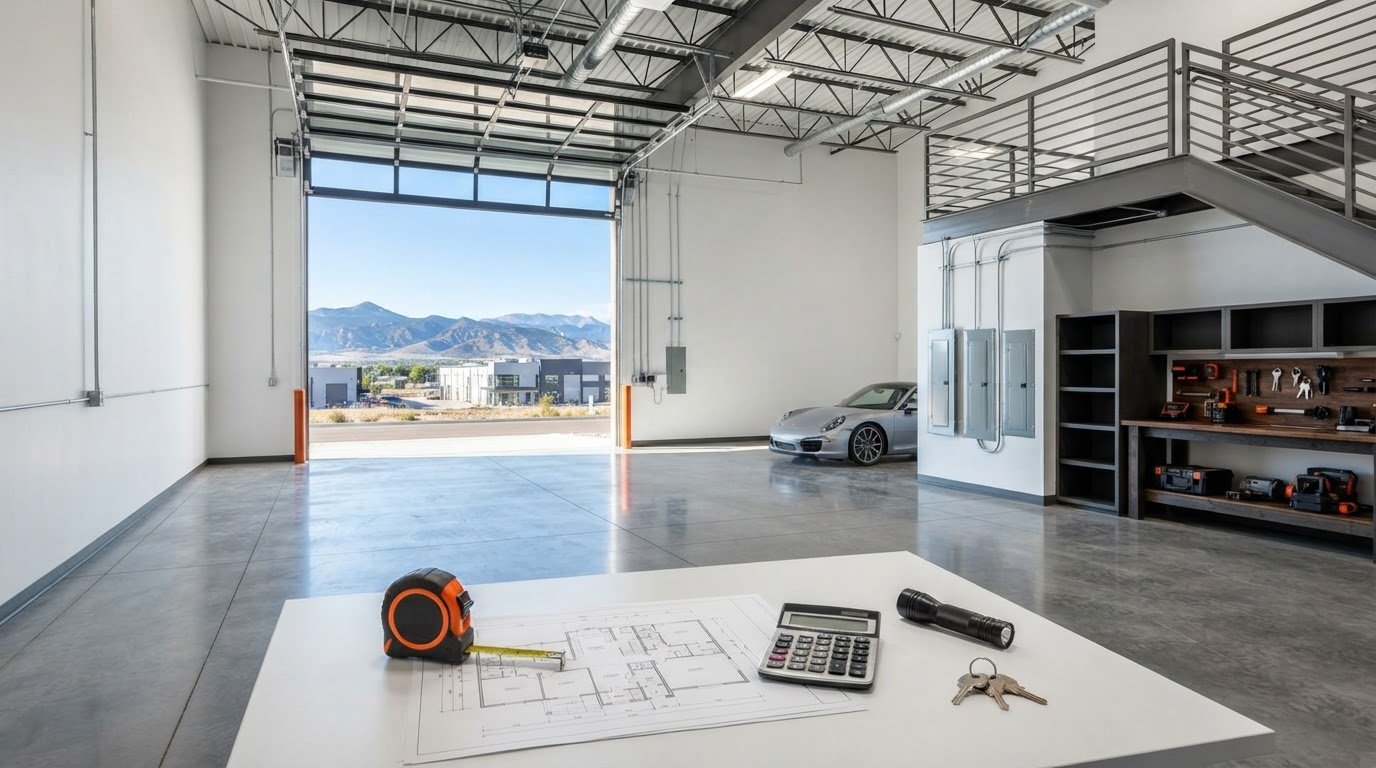
Power requirements depend on your intended shop use. Standard units usually feature 60-100 amp panels. You should verify if the developer provides 220V outlets for welding equipment or high-speed electric vehicle charging. Climate control is another critical variable for asset preservation. Evaluate the insulation R-values in the walls and roof carefully. Many Front Range units use radiant floor heat for better efficiency. Others rely on forced air systems. Radiant heat is often preferred. It maintains a consistent temperature without circulating dust across sensitive vehicle finishes.
Plumbing and Mezzanine Options
Structural integrity is non-negotiable for heavy vehicle support. Look for slabs with 5-inch to 6-inch reinforced concrete to prevent cracking under load. If you plan on a second level, check the structural loading specs for the building. Mezzanines must be engineered for at least 100 lbs per square foot to be safe for storage or office use. Plumbing rough-ins are a major value-add for long-term utility. Confirm if the unit is pre-plumbed for bathrooms or wet bars during the construction phase. If you need help evaluating technical specifications for a specific site, professional guidance ensures the infrastructure meets your goals.
The Financial Realities: Costs, Fees, and Real-World Examples
Entry costs for these units vary by location and finish level across the Front Range. Current market data from early 2026 shows prices ranging from $217 to $529 per square foot. For example, a unit in Denver might trade at $235 per square foot, while premium sites in Arvada reach $350 per square foot. Understanding What Is a Car Condo? Everything You Need to Know Before Buying requires looking beyond the sticker price. You must account for the 25% commercial property tax assessment rate applied to improved property in Colorado. This is significantly higher than residential rates.
Ownership involves ongoing monthly and annual expenses. COA fees in the Denver metro area typically fall between $300 and $600 per month. These fees have risen 20-25% recently due to rising insurance premiums. They cover common area maintenance, security, and the master insurance policy. Most modern developments utilize individual metering for gas and electricity. This ensures you only pay for the utilities consumed within your specific unit. It's a transparent way to manage operational overhead.
12 Cost Variables and Examples
Total project costs are influenced by several specific factors. Our methodology relies on Q1 2026 Front Range market data and local contractor estimates for finishes. Consider these 12 variables before finalizing your budget:
Unit base purchase price
Mezzanine structural build-out
HVAC system upgrades or radiant heat
High-grade epoxy flooring applications
Electrical sub-panel and 220V installation
Plumbing fixtures and rough-in connections
COA initiation and reserve fund fees
Annual commercial property taxes (25% assessment)
Personal property and HO-6 insurance premiums
Dedicated internet connectivity and wiring
Security system hardware and monitoring
Custom interior LED lighting packages
Accurate budgeting depends on identifying which of these variables are included in the base shell. If you need to verify current pricing for a specific development, professional representation can provide the necessary data.
Navigating the Colorado Market: Zoning and Selection
Colorado's Front Range is currently the epicenter of the garage condo market. Demand is particularly high in Denver and Commerce City. This is due to limited industrial land and a high concentration of vehicle collectors. Understanding What Is a Car Condo? Everything You Need to Know Before Buying requires a deep dive into local municipal codes. Zoning nuances vary between cities. For instance, Lakewood may have different restrictions on commercial signage or business operations than Longmont. You must ensure your intended use aligns with city zoning and specific COA bylaws.
Resale value for these units has historically outperformed traditional industrial flex space in several Colorado submarkets. In Steamboat Springs, prices jumped 75% between 2021 and 2023. This trend highlights the importance of location and infrastructure. Generalist real estate agents often miss critical red flags in COA documents. They might not understand reserve fund requirements or the implications of commercial tax assessments. A specialist ensures you aren't buying into a development with pending litigation or insufficient insurance coverage.
Top Front Range Hubs for Car Condos
Longmont has become a major hub for RV and collector storage. Its proximity to the I-25 corridor and E-470 makes it highly accessible for owners across the northern metro area. You should prioritize ease of entry for large trailers and proximity to major thoroughfares when selecting a site. Accessibility directly impacts your long-term exit strategy. For more data on historical appreciation and exit strategies, see our Selling a Garage Condo in Colorado guide. Choosing the right location today ensures your asset remains liquid and desirable in the 2026 market.
Securing Your Front Range Asset
Purchasing a garage condo is a strategic move for collectors who require a deeded real estate asset rather than a monthly rental. You've learned these units offer specialized infrastructure, from 22-foot ceiling heights to reinforced concrete slabs. Navigating the 25% commercial property tax rate and local zoning nuances is a critical part of the acquisition process. This guide on What Is a Car Condo? Everything You Need to Know Before Buying provides the factual foundation to evaluate market entries between $217 and $529 per square foot. Success in this niche requires looking beyond the shell to the long-term utility of the space.
Expert guidance is essential when reviewing complex COA documents or identifying off-market opportunities. With an exclusive focus on Colorado garage condos, we provide specialized buyer and seller representation across the Front Range. If you're ready to move forward, contact The Garage Condo Guy for a custom Front Range market analysis. You'll gain access to off-market Front Range listings and the technical expertise needed for a professional transaction. Your ideal workspace is within reach.
Frequently Asked Questions
Can you live in a garage condo in Colorado?
No, you cannot live in a garage condo due to strict industrial zoning and municipal health codes. These units are deeded for storage and flex use, not residential occupancy. While they often feature climate control and mezzanine levels, they lack the legal classification for overnight living. Violating these "no-residency" rules can lead to significant fines from the city or eviction by the Condo Owners Association.
How much does a car condo cost per square foot in 2026?
Current market data for 2026 shows that car condos in the Front Range trade between $217 and $529 per square foot. Prices vary based on the specific municipality. Denver and Arvada typically command the higher end of that range. This is a key detail in What Is a Car Condo? Everything You Need to Know Before Buying. Total acquisition costs also depend on whether the unit is a raw shell or fully finished.
What are the typical HOA or COA fees for a garage condo?
Typical COA fees for Colorado garage condos range from $300 to $600 per month, though luxury developments can exceed this. These assessments have increased by 20% to 25% since 2022. This trend is primarily driven by higher insurance premiums for commercial buildings. These fees cover shared expenses like snow removal, trash service, site security, and the master insurance policy that protects the building's exterior structure and common areas.
Is a car condo considered a commercial or residential investment?
A car condo is strictly considered a commercial property investment under Colorado tax law. This classification means the property is assessed at a 25% commercial rate. This is significantly higher than the residential assessment rate of approximately 7%. Understanding these tax implications is essential for What Is a Car Condo? Everything You Need to Know Before Buying. Owners should consult with a tax professional to understand how this industrial classification affects annual overhead.
What kind of insurance do I need for a garage condo unit?
Owners typically need an HO-6 policy to cover the unit's interior, personal property, and liability. While the COA master policy covers the building's exterior and common elements, it does not protect your vehicle collection or custom interior finishes. You must secure a separate policy for your high-value assets. Verify that your coverage includes the specific industrial uses or business equipment stored within your unit to ensure full protection.
Comments