Indoor Boat Storage for Sale in Denver: Monthly Costs
Denver’s reported monthly averages are $94 for an RV or boat storage unit and $209.93 for boat storage. Those figures describe different categories, not one guaranteed indoor rate. For buyers comparing indoor boat storage for sale in Denver, they’re useful starting points, but the boat’s full dimensions and the space type shape the monthly comparison.
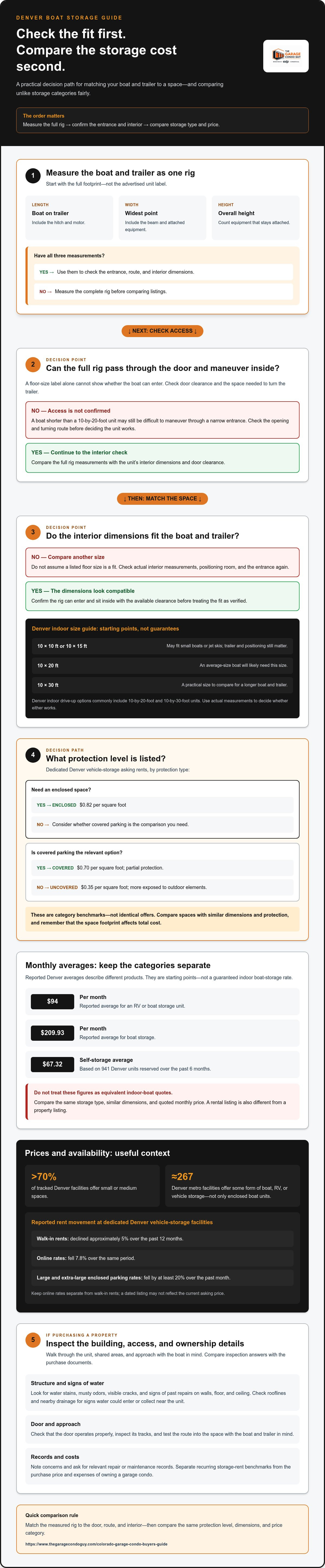
Price matters, but a space that can’t fit your boat and trailer won’t work. Denver indoor drive-up options commonly include 10-by-20-foot and 10-by-30-foot units, and an average-size boat will likely need a 10-by-20-foot space. Measure the full rig before comparing sizes.
This guide explains how to match a storage space to your boat and trailer, how to interpret reported monthly costs, and which details can affect your budget. It also gives you a practical way to compare options without choosing a space that is too small or paying for more room than you need.
Table of Contents
Choosing a storage unit based on boat dimensions
Start with the boat and trailer, not the advertised unit size. Denver facilities commonly offer indoor drive-up spaces measuring 10 by 20 feet or 10 by 30 feet. An average-size boat will likely need a 10-by-20-foot unit, while a longer boat and trailer may need more room. Measure the full rig before comparing listings. For indoor boat storage for sale in Denver, use those measurements to assess the space, not just the listing label.
Use this sequence to check the fit:
Measure the boat’s full length on its trailer, including hitch and motor.
Measure the widest point, including the beam and any attached equipment.
Record the height of the boat and equipment that stays attached.
Compare each measurement with interior dimensions and door clearance.
A listed floor size alone doesn’t show whether a boat can pass through the door. For example, a boat shorter than a 10-by-20-foot unit may still be difficult to maneuver if the entrance is narrow or the trailer needs turning space. Check how the boat enters and sits inside before deciding the unit works.
Small boats and jet skis may fit in 10-by-10-foot or 10-by-15-foot units. Those dimensions aren’t automatic fits: trailer length, width, and positioning room still matter. For longer boats, Denver’s commonly available 10-by-20-foot and 10-by-30-foot indoor sizes provide a practical starting point. More than 70% of tracked Denver facilities offer small or medium spaces. Compare actual interior measurements against your boat’s footprint.
Availability extends across the Denver metro, which has approximately 267 facilities offering some form of boat, RV, or vehicle storage. That count includes multiple storage types, not only enclosed boat units. Compare indoor self storage separately from outdoor options. Covered parking offers partial protection, while uncovered spaces leave boats more exposed to outdoor elements. The storage category changes both the protection and the cost comparison.
Online monthly prices also depend on the listing category. Reported Denver averages include $94 per month for an RV or boat storage unit and $209.93 per month for boat storage. Another Denver self-storage average is $67.32, based on 941 units reserved over the past 6 months. These figures describe different categories, so don’t treat them as identical indoor-boat quotes. Compare like with like when reviewing indoor boat storage for sale in Denver.
For a purchase, distinguish a rental listing from a property listing. The Colorado garage condo buyer’s guide discusses considerations for evaluating that type of property. For any Denver option, match the boat’s measured footprint to the interior, door opening, and route inside before deciding it fits.
Average monthly boat-storage cost
Denver storage costs depend on what a listing means by a boat space. A self-storage unit, enclosed vehicle space, covered parking spot, and uncovered space are different products. Monthly averages can therefore vary, even within the same metro area. Compare the type of storage before treating a quoted average as a budget for indoor boat storage.
For a second comparison, dedicated Denver vehicle-storage facilities report average asking rents by protection level. Enclosed parking averages $0.82 per square foot. Covered parking averages $0.70 per square foot, while uncovered parking averages $0.35 per square foot. These figures help explain why a listing’s unit type matters as much as its advertised size.
Treat figures as category benchmarks, not identical offers. An enclosed space provides different protection than covered or uncovered parking, and a storage unit’s footprint affects its total cost. Compare spaces with similar dimensions and protection before deciding which asking rent is relevant to your boat.
Enclosed: $0.82 per square foot at dedicated Denver vehicle-storage facilities.
Covered: $0.70 per square foot at dedicated Denver vehicle-storage facilities.
Uncovered: $0.35 per square foot at dedicated Denver vehicle-storage facilities.
Rates have also shifted over time. Walk-in rents at dedicated Denver vehicle-storage facilities declined approximately 5% over the past 12 months. Online rates fell 7.8% over the same period. Large and extra-large enclosed parking rates fell by at least 20% over the past month. Those changes show why a dated online listing may not reflect the current asking price.
Compare online listings using the same checklist: space type, interior dimensions, quoted monthly price, and whether boat storage is specifically mentioned. Keep online rates separate from walk-in rents because reported Denver trends differ between those channels. Compare the footprint you need with the advertised space, not just the price per square foot.
For a purchase, separate recurring storage charges from ownership costs. The asking-rent figures above describe vehicle-storage categories, not the purchase price or expenses of owning a garage condo. Buyers weighing a dedicated property can use the Colorado garage condo buyer’s guide to understand the property-purchase context.
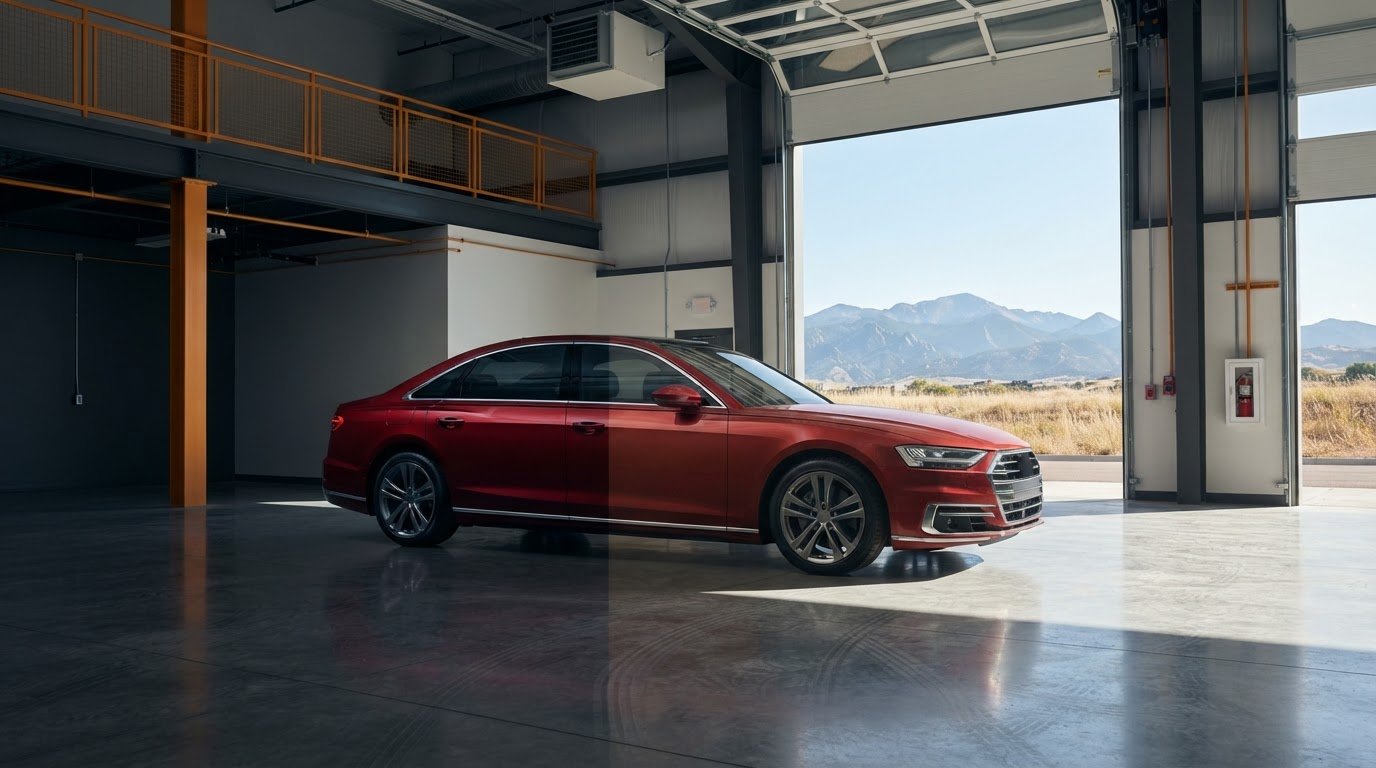
What should buyers inspect before purchasing an indoor boat storage unit in Denver?
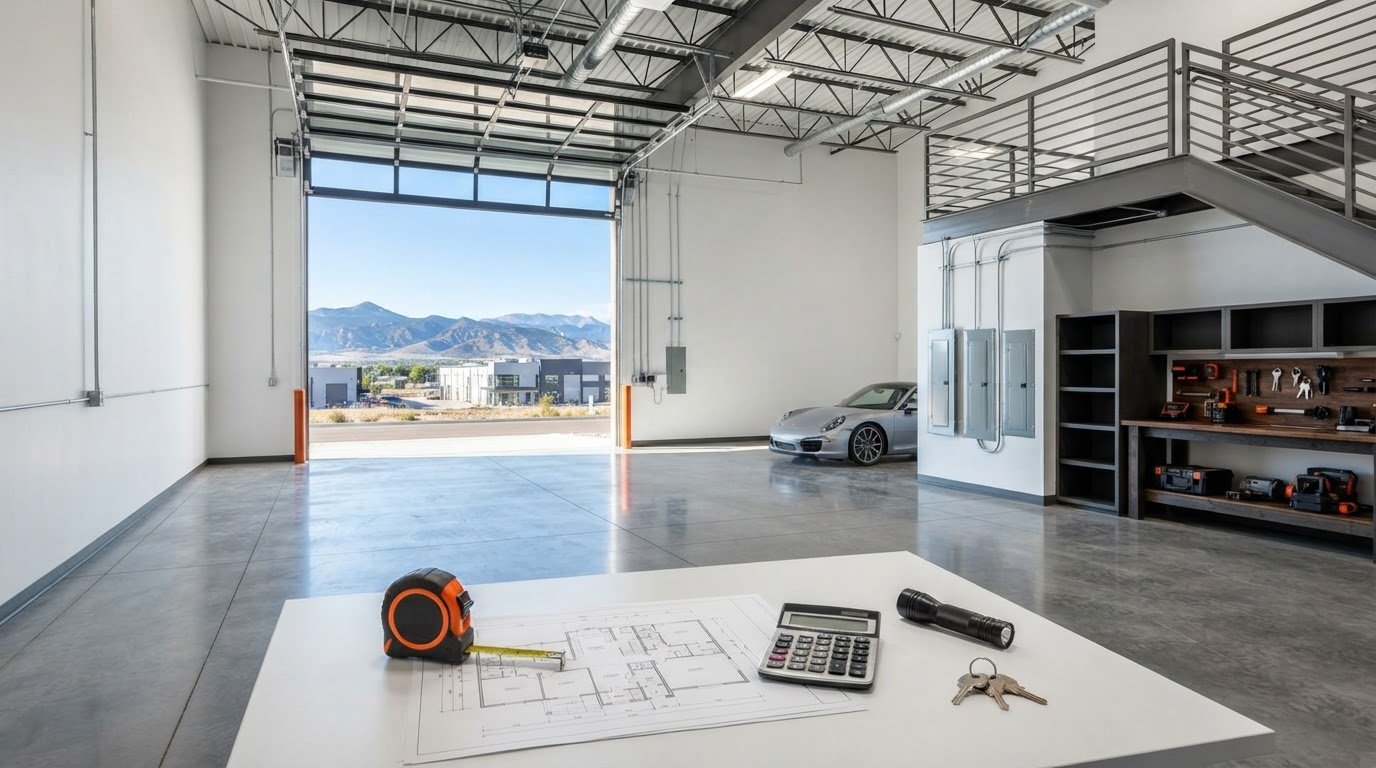
Evaluate the property as both a building and a place for your boat. A clean-looking interior alone won’t tell you how the space handles water, access, or ownership costs. Walk through the unit, shared areas, and approach with your boat in mind. Record questions during the inspection and compare the answers with the purchase documents.
Start with the structure. Look for water stains, musty odors, visible cracks, and signs of past repairs on the walls, floor, and ceiling. Check that the door operates properly and inspect its tracks. Look at rooflines and nearby drainage for signs that water could enter or collect near the unit. Note concerns and ask for relevant repair or maintenance records.
Test the route, not just the unit. When access permits, take the boat and trailer along the approach, through the entrance, and into the space. Check turning room, door clearance, and obstacles such as posts or low overhead features. Consider where you’ll walk around the boat and handle its cover or equipment. The hull may fit on paper while the space still feels impractical to use.
Access: Review how entry works, which areas are shared, and how access is managed.
Utilities: Identify available lighting and power, and confirm which features belong to the unit.
Shared areas: Inspect drive aisles, drainage, and the condition of neighboring spaces.
Documents: Read the ownership description, association documents, fees, and use restrictions.
Colorado’s freezing temperatures make seasonal readiness relevant when choosing a space. Storage doesn’t replace boat winterization, which helps prevent engine damage in freezing conditions. Consider whether the layout leaves room to prepare the boat and organize related equipment. A tight unit, for example, may fit the boat but leave little working space around it.
Finally, compare the documents with the physical property. Confirm that the described unit matches the one you toured, and understand recurring costs and rules before committing. If the property is a garage condo, review the Colorado garage condo buyer’s guide for a purchase-focused framework. Bring your inspection notes and boat measurements into that review so the decision reflects your intended use.
Measure your boat before choosing a space, and clean it before storage. Drain the water, make sure the boat is dry, and apply a coat of wax.
The Garage Condo Guy: Garage Condo Buyer Representation
The Garage Condo Guy provides Garage Condo Buyer Representation for people considering a garage condo for boat storage. Once you’ve compared dimensions, monthly storage costs, and the limits of renting, consider whether owning a garage condo suits your intended use. Buyer representation is relevant when you’re evaluating a purchase, rather than simply looking for a place to rent.
Bring your boat measurements, storage priorities, and property details to the buying decision. These keep the discussion focused on the purchase and how a garage condo could meet your needs. The Garage Condo Guy also provides Garage Condo Seller Representation for owners preparing to sell a garage condo.
Visit the Colorado garage condo buyer’s guide to learn about the purchase process.
Choose the ownership path that fits your plans
Your next step is to decide whether you need a place to store a boat or want to own a dedicated property. Those goals can overlap, but they involve different decisions. If you’re considering indoor boat storage for sale in Denver, keep your intended use at the center of the purchase: how the space will serve your boat and whether ownership fits your longer-term plans.
For a garage condo purchase, The Garage Condo Guy offers Investment Advisory for Garage Condos. This service can help you assess the property as an investment alongside its potential use for storage. Start with practical questions: does this ownership model match your priorities, and are you ready to evaluate a specific property?
Explore the Colorado garage condo buyer’s guide as you consider your next step. A clear decision starts with how you plan to use the space.
Frequently Asked Questions
How Much Does It Cost to Store an RV or Boat in Denver?
Reported Denver averages are $94 per month for an RV or boat storage unit and $209.93 per month for boat storage. They represent different listing categories, so neither figure alone establishes the cost of indoor-only storage. For a useful comparison, separate enclosed units from covered or uncovered parking, then compare similar space sizes and rental terms. These rental averages aren’t garage condo purchase prices.
What Storage Sizes are Available for Boats & RVs in Denver?
Indoor drive-up options commonly include 10-by-20-foot and 10-by-30-foot units. Small boats or jet skis may fit in 10-by-10-foot or 10-by-15-foot spaces. Outdoor covered and uncovered parking commonly comes in 10-by-20-foot, 10-by-30-foot, and 10-by-40-foot sizes. A long trailer can change the fit, so compare its full footprint with the space, not just the boat’s hull length.
What sizes and features are available in Denver indoor boat storage units?
Indoor storage listings commonly include 10-by-20-foot and 10-by-30-foot drive-up units. For a garage condo purchase, door dimensions and clear height are separate considerations: Colorado units commonly have overhead doors in the 12-to-14-foot height range, but community and unit details vary. A mezzanine may reduce usable clearance. This guide is general educational information only. Verify property-specific zoning, HOA/COA documents, taxes, financing, and legal requirements before purchase.
Comments