Protecting Vehicles from Front Range Temperature Swings
On Colorado’s Front Range, sun, snow, and temperature swings can accelerate exterior wear, but a blemish doesn’t automatically point to temperature as the cause. The National Weather Service notes that daily temperature swings of 40 to 50°F can be common, especially in spring and fall. Repeated cycles may stress paint and other exposed materials over time. UV exposure, hail, moisture, contaminants, and ordinary aging can leave similar marks.
Which parts deserve attention, and when can enclosed storage help? This guide explains plausible temperature-related effects without treating them as inevitable. You’ll learn what to inspect on paint, trim, seals, and other exterior areas, how to document changes, and how to compare storage options. Enclosed storage can reduce direct exposure, but it isn’t the same as confirmed climate control and can’t prevent every temperature change. If you’re evaluating a garage condo, check the unit’s condition, permitted uses, specifications, and HOA/COA rules.
General educational information only. Verify property-specific zoning, HOA/COA documents, taxes, financing and legal requirements before purchase.
Table of Contents
How Colorado Temperature Swings May Affect Vehicle Exterior Wear
A temperature swing is a relatively quick change from warmer to cooler conditions, unlike sustained heat or cold. Repeated changes can make materials expand and contract, a process described by thermal expansion. A vehicle’s paint system includes primer, color, and clear coat. Because these layers can respond differently to temperature changes, repeated cycling may stress them, depending on their condition and exposure. That possibility doesn’t mean a particular paint defect was caused by temperature.
To assess whether temperature cycling is a plausible contributor, separate the mechanism from the visible evidence. Consider the material, its age and condition, how often it experiences changing temperatures, and other exposures such as direct sun, precipitation, moisture, and contaminants. A change in paint gloss, for example, can have several possible explanations. A visible gap or crack in a rubber seal may also relate to age or other weather exposure. Appearance alone can’t establish which factor contributed.
Which exterior materials deserve attention?
Check paint and clear coat for changes in color, gloss, or texture; rubber door and window seals for visible cracking or gaps; and exterior trim or plastic components for fading, warping, or looseness. Note the location and size of any change so you can compare it later. These are observable signs to record, not predictions that a component will fail or proof of what caused the change.
Why Colorado Front Range exposure varies
Temperature changes can overlap with direct sunlight, elevation-related UV exposure, wind, rain, and snow. A car parked outdoors in full sun has a different exposure profile from one sheltered from direct sun, even if both experience similar outdoor temperatures. Conditions also vary across the Front Range. Recording whether a vehicle was indoors or outdoors, shaded or in direct sun, and exposed to known weather events gives you a more useful record, but it can’t establish a single cause for exterior wear.
What Temperature Changes Can, and Cannot, Tell You About Exterior Damage
Temperature cycling is only one possible contributor to exterior wear. To assess it without guessing, compare three things: where the change appears, when you first recorded it, and what exposures occurred around that time. For example, record consistent sun exposure alongside fading on the same panel. If you notice a dent after a hail event, document the event and the mark separately. Timing and appearance can help describe a pattern, but neither proves its cause.
Observed exterior wear may have several contributing causes. Sunlight, moisture, hail, snow, temperature changes, and aging can overlap. The visible result can’t confirm which factor mattered most. Automotive weathering standards, such as those discussed in this overview of automotive weathering standards, describe controlled testing of materials. That testing doesn’t diagnose damage on an individual vehicle.
Temperature cycles versus direct sun exposure
Air temperature changes differ from direct sunlight, which can heat exposed surfaces. When logging a vehicle’s exposure, note whether it was shaded or in direct sun and whether it was indoors or outdoors. These details help compare exposure patterns, but they don’t diagnose damage.
When an inspection is more useful than a guess
Photograph the same areas in similar light, date each image, and log known weather events separately. Compare records to see whether a change has occurred over time. If the cause or extent remains uncertain, have a qualified automotive professional assess the vehicle. If you’re considering a garage condo, the Colorado garage condo buyer’s guide covers property due diligence.

A Colorado Vehicle-Exterior Inspection Routine for Changing Seasons
A repeatable check helps you track changes without assuming what caused them. Use the same viewing angles and similar lighting each time, and note observations rather than diagnoses. Since sunlight, moisture, and temperature swings can accelerate exterior wear in different ways, a simple record can help distinguish a new change from an older mark.
Inspect: Look over paint and clear coat, rubber seals, trim, windows, and other visible exterior surfaces. Note cracks, fading, chips, gaps, or changes in texture.
Photograph: Capture wide views and close-ups of any area that looks different. Keep the angle and lighting as consistent as possible.
Record exposure: Write down the date, parking location, and whether the vehicle was indoors or outdoors. Note direct sun and known events such as hail or snow separately.
Compare: Review new images alongside earlier ones. Check for changes in the same spot, accounting for differences caused by lighting or camera angle.
Seek assessment if needed: If a mark changes, spreads, or remains unclear, have a qualified automotive professional assess it. Photographs document appearance, but they can’t establish the cause.
Keep each inspection record consistent
Use a short note for each check: date, location, indoor or outdoor storage, visible changes, and known weather exposure. For example, record a new chip after a hail event separately from gradual fading on a sun-exposed panel. This makes comparisons more useful without treating timing as proof of cause.
Check care guidance before cleaning
Before cleaning, polishing, or applying a protective product, follow the vehicle manufacturer’s care guidance. Recommendations can vary by finish and material, so don’t assume one product or method suits every surface.
Seasonal checklist: Inspect, photograph, log the date and exposure, compare with earlier images, and seek an assessment when damage is uncertain. If you’re evaluating enclosed vehicle storage, use the Colorado garage condo buyer’s guide to review property-specific details.
Can Enclosed Colorado Garage Storage Reduce Temperature Exposure?
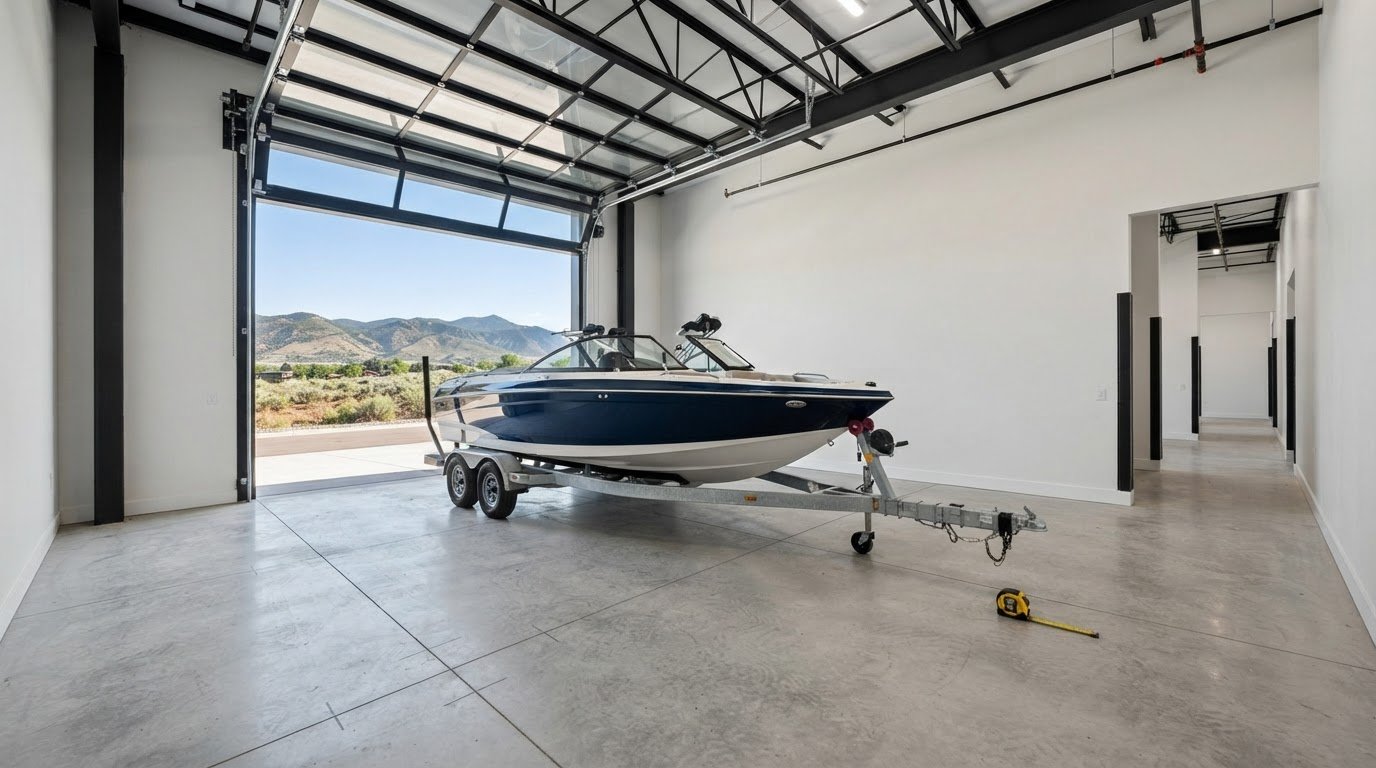
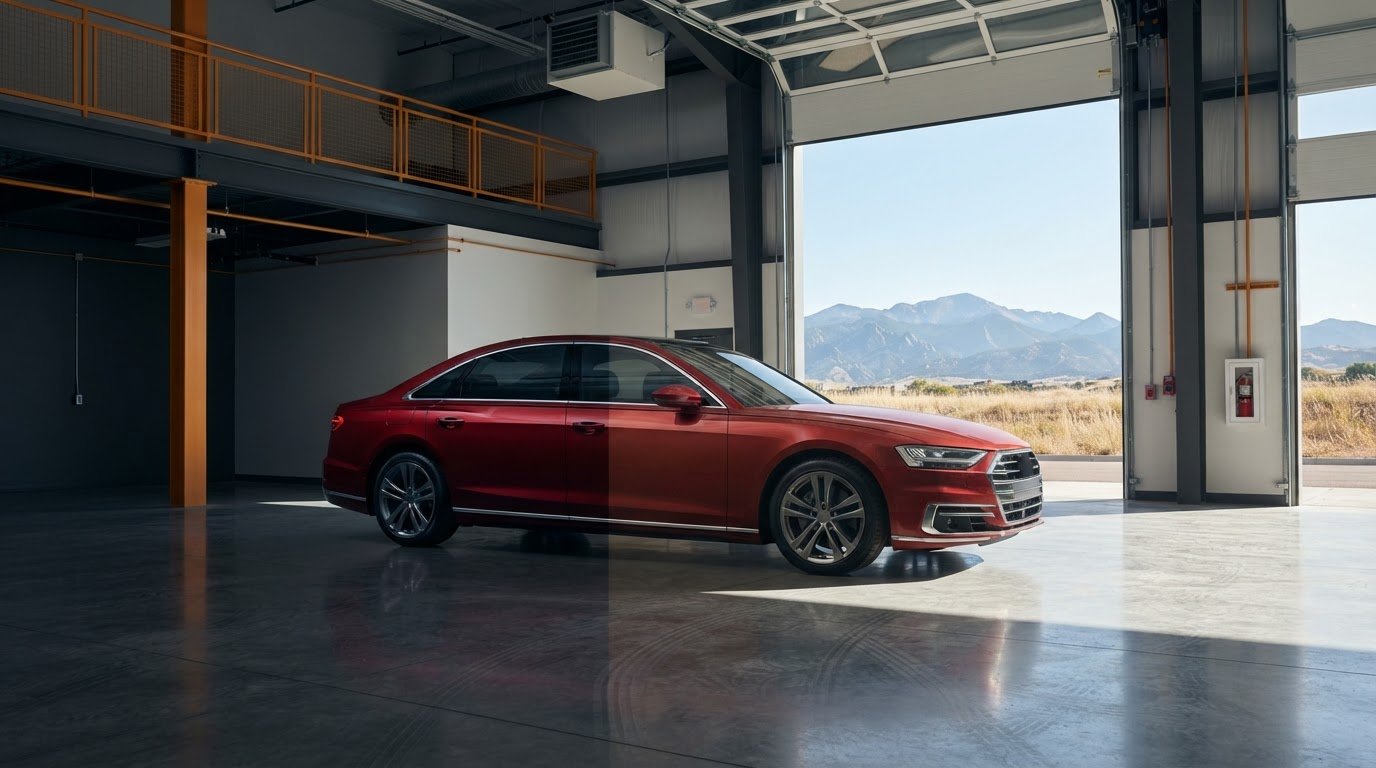
An enclosed garage unit can shield a vehicle from direct sun, precipitation, and some outdoor contaminants. It may reduce certain exposures, but enclosure alone doesn’t establish climate control or prevent temperature changes. For owners concerned that sun, precipitation, and temperature swings can accelerate exterior wear, the distinction matters: assess the unit’s actual conditions rather than relying on the word “enclosed.”
What to verify in a Colorado garage condo
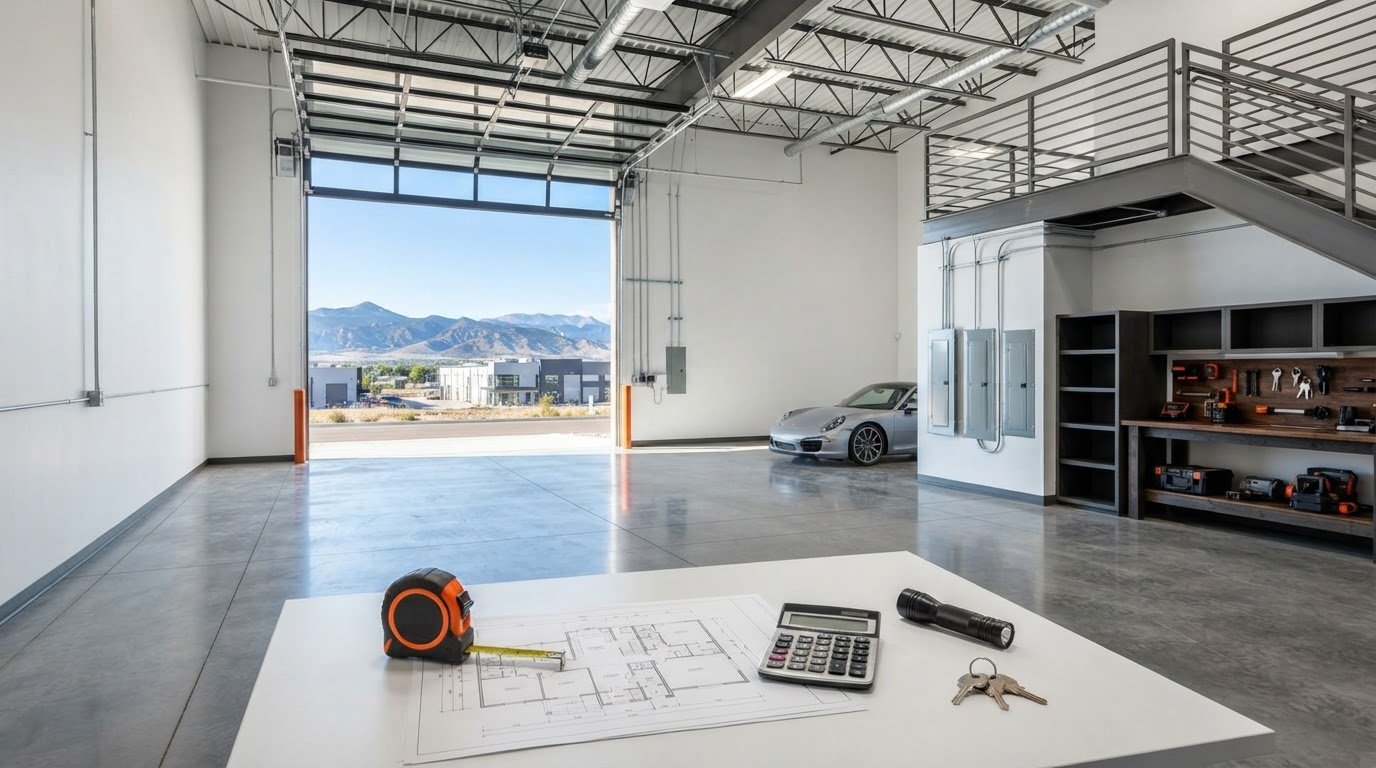
Review the specific unit’s specifications, condition, utilities, and any installed HVAC. Check HOA/COA documents for permitted uses and rules affecting proposed utility additions. Don’t assume plumbing, heating or cooling equipment, or use permissions in another unit apply to the one you’re considering. Verify the actual clear height, overhead door dimensions, and available electrical service against your vehicle’s requirements. Confirm how installed systems operate and what conditions the unit provides.
Choose storage based on the vehicle and property
Compare the unit’s verified conditions with the vehicle’s storage needs. Consider distance from home, access, security features, and the unit’s observable condition. For a garage condo, also review whether the ownership is fee-simple condominium ownership or leasehold/land lease, and account for the applicable carrying costs, including HOA/COA dues, utilities, insurance, taxes, maintenance, and any land-lease payments. A nearby enclosed space may reduce outdoor exposure, while a more distant unit may have other features that matter to you. Neither enclosure nor a marketing label guarantees a particular temperature range or prevents exterior wear.
For purchase due diligence, compare the property’s specifications and governing documents with the Colorado garage condo buyer’s guide.
Make Vehicle Storage Decisions With Clearer Information
UV exposure and temperature swings can accelerate exterior wear, but a visible mark alone can’t reveal its cause. Track changes with consistent photos and notes, and separate observed wear from assumptions about weather. Enclosed storage can reduce direct exposure, but it doesn’t automatically provide climate control or guarantee protection from temperature changes.
If you’re considering a garage condo, evaluate the specific unit, not just the marketing description. The Garage Condo Guy provides Colorado-focused garage-condo buyer representation, with guidance on unit specifications, utilities, HOA/COA documents, and due diligence. Review those details alongside your vehicle’s storage needs and verify the property’s ownership structure, permitted uses, and actual conditions before deciding whether it fits.
Review the Colorado garage condo buyer’s guide for practical property-evaluation guidance. A careful inspection and clear understanding of the unit’s actual conditions can help you make a more informed storage decision.
Frequently Asked Questions
Can temperature swings damage a car’s paint?
Temperature swings may contribute to stress on paint and clear coat, but they don’t automatically damage every vehicle. Repeated expansion and contraction can affect exterior materials, with the outcome depending on the finish’s condition and exposure history. Sunlight, contaminants, moisture, and ordinary aging can also alter paint. A visible defect alone can’t identify which factor caused it.
Do Colorado temperature swings affect rubber seals and exterior trim?
Temperature changes may affect rubber seals and exterior trim through repeated expansion and contraction, but they don’t establish that damage will occur. Inspect seals for visible cracks, gaps, or changes in fit, and trim for fading, looseness, or surface changes. Sun exposure, moisture, age, and other weather can produce similar signs. Treat these as observations, not proof of a temperature-related cause.
Does a garage prevent temperature-related vehicle wear?
An enclosed garage can reduce direct sun, precipitation, and some environmental exposure, but enclosure alone doesn’t mean the space is heated or cooled. Temperatures inside may still change. Check whether HVAC is installed, what utilities serve the unit, and how systems operate. A garage can limit some exposures, but it can’t guarantee stable temperatures or prevent all exterior wear.
How can I tell whether exterior wear came from temperature changes?
Appearance alone can’t reliably show that temperature changes caused exterior wear. Photograph the same panels, seals, trim, and windows from similar angles and in similar light. Record the date, parking location, and indoor or outdoor storage. Log known hail, snow, direct sun, or other events separately. Compare images over time, and have a qualified automotive professional assess uncertain or changing damage.
What should I check before buying a Colorado garage condo for vehicle storage?
Verify the specific unit’s condition, dimensions, utilities, and any HVAC. Review HOA/COA documents for permitted vehicle storage, utility additions, and other use limits. Confirm ownership and zoning through governing records rather than the marketing label. The Garage Condo Guy provides Colorado-focused garage-condo buyer representation across Denver and Front Range communities including Boulder, Longmont, Lakewood, Superior, Dacono, Golden, Centennial, Aurora, Castle Rock, Broomfield, Englewood, Highlands Ranch, Littleton, and Commerce City.
Comments